

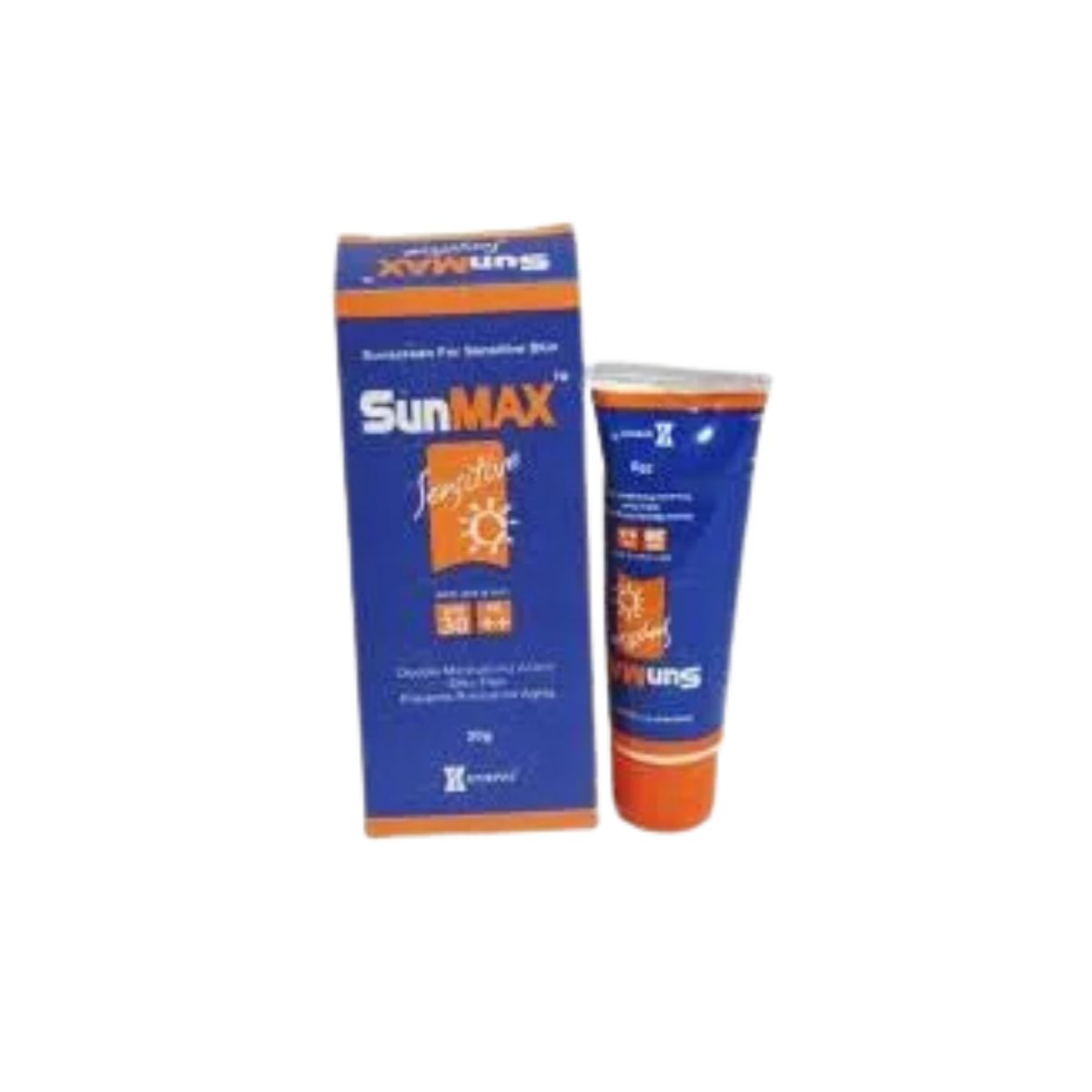
Description
Description
The mechanism of action of SPF 30 sunscreen involves a combination of physical and chemical processes to protect the skin from the sun’s harmful ultraviolet (UV) radiation. Physical blockers, such as titanium dioxide and zinc oxide, work by reflecting and scattering UV rays, acting as a physical barrier on the skin’s surface. These minerals sit on top of the skin and deflect UV rays away from the body, preventing them from penetrating the skin. On the other hand, chemical absorbers in the sunscreen formula, such as avobenzone, octinoxate, and oxybenzone, create a protective layer on the skin by absorbing UV radiation and converting it into heat energy, which is then released from the body. SPF 30 indicates that this sunblock allows only 1/30 (around 3.3%) of UVB rays to reach the skin, providing moderate protection against UVB radiation, which is responsible for sunburns and contributes to skin damage and skin cancer.
Ingredients
SPF
Drug Class
Sunscreen
Dosage Form
Lotion
Uses
The following are the uses of SPF 30 SunBlock:
Used for protecting skin from harmful UVA and UVB rays, reducing the risk of sunburn.
Used for preventing premature aging and wrinkles caused by sun exposure.
Used for maintaining an even skin tone and minimizing sun-induced discoloration.
Used for reducing the chances of developing skin cancer by blocking UV radiation.
Used for outdoor activities, ensuring prolonged sun protection during extended periods outside.
Used for daily wear, offering a lightweight and comfortable shield against daily UV exposure.
Used for sensitive skin, providing effective protection without irritation.
In case of Overdose
In the case of an overdose of SPF 30 SunBlock, it is important to take the following steps monitor for any unusual symptoms or reactions, such as skin irritation or allergic responses. If ingested, do not induce vomiting; seek medical advice immediately. While overdoses of sunscreen are rare, it is crucial to exercise caution and consult a healthcare professional for appropriate guidance in such instances.
Missed Dose
In the case of a missed dose of SPF 30 SunBlock, it is important to reapply the sunscreen as soon as you remember. There is no specific makeup for a missed dose, but reapplication is crucial to maintain the protective barrier against harmful UV rays. If you forget to reapply, your skin may become more vulnerable to sun damage, increasing the risk of sunburn and long-term skin issues. Aim to reapply the sunscreen generously to all exposed areas of the skin to ensure continuous protection.
How To Use
To apply SPF 30 SunBlock, ensure your skin is clean and dry, then generously apply the sunscreen to all exposed areas of the skin, including the face, neck, arms, and legs, at least 15 minutes before sun exposure, and reapply every two hours or after swimming or sweating for optimal protection.
When Not to Use
Following are the circumstances when SPF 30 SunBlock should not be used:
Avoid using if you have a skin reaction or sensitivity to any of the ingredients in the sunscreen product.
Do not use on open wounds, cuts, or severely irritated skin.
Avoid contact with eyes and mouth.
Discontinue use if you experience skin irritation, redness, or itching after application.
Not recommended for infants or very young children without medical advice.
Do not use past the expiration date, as the product’s effectiveness may be reduced.
Avoid using if you have a history of sunscreen allergies or sensitivity to similar products.
Side Effects
The side effects of SPF 30 Sunblock may include:
Skin irritation or redness at the application site
Itching or rash
Allergic reactions, such as hives or swelling
Increased sensitivity to sunlight (photosensitivity)
Acne or skin breakouts
Stinging or burning sensation
Dryness or flakiness of the skin
Eye irritation if the product comes into contact with eyes
Precautions & Warnings
Following are the precautions and warnings for SPF 30 SunBlock:
Avoid direct contact with eyes. In case of contact, rinse thoroughly with water.
For external use only. Do not ingest or apply to broken or irritated skin.
Discontinue use if rash, itching, or other signs of irritation occur.
Keep out of reach of children. Store in a cool, dry place away from direct sunlight.
Do not use on infants or very young children without medical advice.
Reapply frequently, especially after swimming, sweating, or towel drying.
This product may cause skin reactions in some individuals; test on a small area first.
Drug Interactions
Following are the drug interactions for SPF 30 SunBlock:
SPF 30 sunscreen may interact with topical acne medications containing benzoyl peroxide, reducing the effectiveness of both products when applied simultaneously.
Combining with certain topical antibiotics like doxycycline or clindamycin may decrease the stability of the sunscreen, reducing its sun protection.
Avoid using with retinoids or retinol-based products during the day, as sunlight can degrade these ingredients and cause skin irritation.
Topical alpha-hydroxy acids (AHAs) might increase skin sensitivity to the sun, so extra caution is needed when using them together with sunscreen.
Some medications like tetracycline antibiotics, thiazide diuretics, or sulfonamides can make the skin more sensitive to sunlight, requiring higher SPF protection.
Using SPF 30 sunscreen with photosensitizing medications such as non-steroidal anti-inflammatory drugs (NSAIDs) or certain antidepressants may not provide sufficient protection, necessitating additional sun-avoidance measures.
Certain antifungal medications applied topically might interact with sunscreen, affecting the skin’s absorption of both substances.
Food Interactions
Following are the food interactions for SPF 30 Sunblock:
Consuming foods rich in antioxidants like berries, citrus fruits, and green leafy vegetables can enhance the effectiveness of SPF by providing additional protection against UV-induced free radicals.
Some studies suggest that eating foods high in lycopene, such as tomatoes, watermelon, and pink grapefruit, may offer extra sun protection when paired with sunscreen.
Omega-3 fatty acids found in fatty fish like salmon, mackerel, and sardines, as well as in flaxseeds and walnuts, can help maintain skin health and potentially reduce sun sensitivity.
Green tea and its polyphenols have shown potential in protecting the skin from UV damage, so drinking green tea or applying green tea extracts topically might complement SPF use.
Vitamin C-rich foods like oranges, strawberries, and bell peppers can help maintain collagen and support the skin’s defense against sun damage.
While not a food, staying hydrated by drinking plenty of water is essential for overall skin health and can help maintain the skin’s natural protective barrier.
Certain spices like turmeric and ginger have anti-inflammatory properties and may offer some photoprotection when included in your diet.
Storage/Disposal
SPF 30 SunBlock should be stored in a cool and dry place, preferably at room temperature, ensuring it stays away from direct sunlight and moisture. Keep the sunscreen tightly sealed in its original packaging to maintain its integrity and prevent contamination. Avoid exposing it to extreme temperatures, such as in the bathroom or near heat sources, as this can impact its effectiveness. Pay attention to the expiration date, and properly dispose of any unused or expired product. Do not dispose of it in toilets or drains; consult your pharmacist for guidance on safe disposal methods. Always keep the sunscreen out of children’s reach to prevent accidental exposure.
Quick Tips, if any
Following are the quick tips for SPF 30 SunBlock:
Apply generously 15 minutes before sun exposure.
Cover all exposed skin, especially face, neck, arms, and legs.
Reapply every 2 hours or after swimming/sweating for continuous protection.
Use sunscreen even on cloudy days as UV rays can penetrate clouds.
Avoid direct sun during peak hours (10 am • 4 pm) for best protection.
Store the sunscreen in a cool, dry place to maintain its effectiveness.
Always read the product label for specific instructions and warnings.

Reviews
There are no reviews yet.